Desi Chickpeas Supplier from Canada for Bulk, Wholesale, and Export Programs
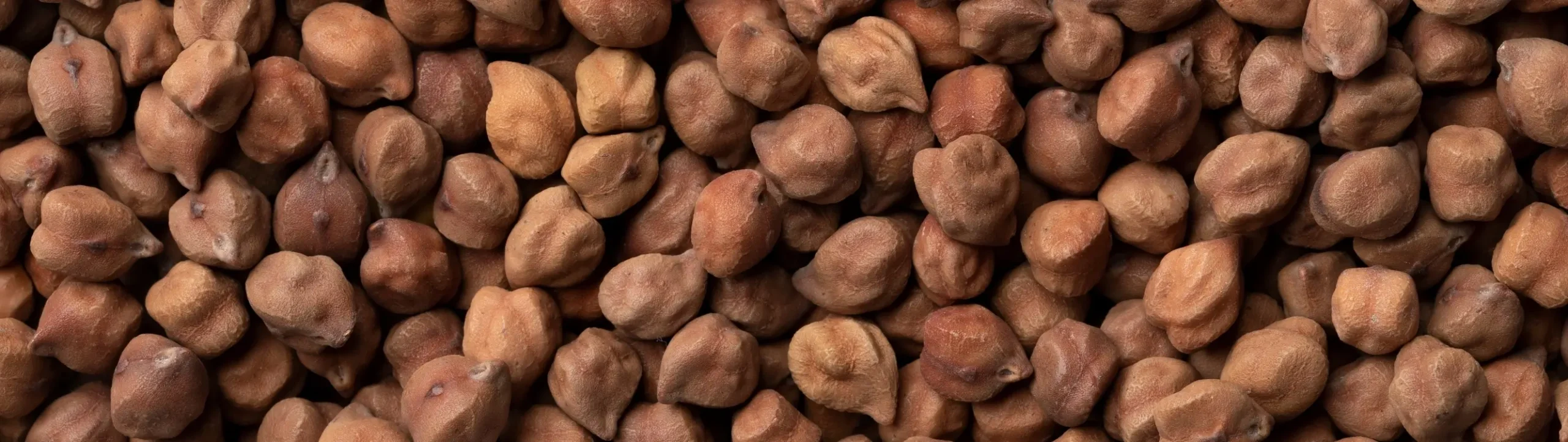
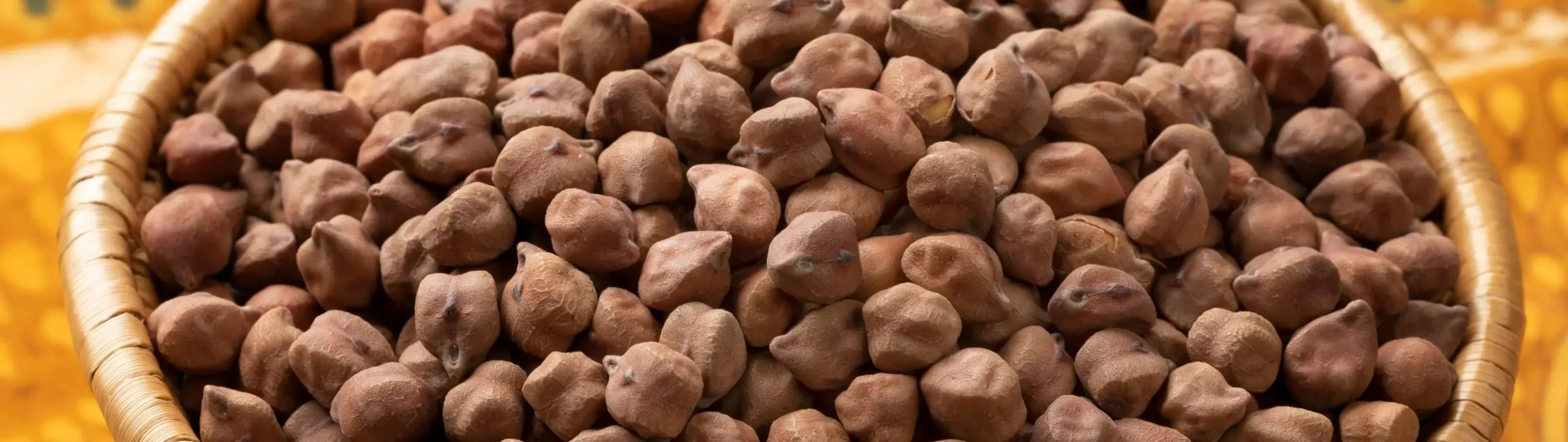
Canadian Desi chickpeas can be supplied for commercial buyers looking for a smaller, darker chickpea type within a structured bulk, wholesale, or export program. In the Canadian Grain Commission framework, chickpeas are divided into two classes, Kabuli and Desi, and the CGC describes Desi chickpeas as typically brown in colour and smaller than Kabuli.
This page is intended for importers, distributors, wholesalers, food manufacturers, repackers, and other B2B buyers who need Desi chickpeas discussed in practical commercial terms: product type, grade framework, packaging, shipment basis, and destination-market requirements.
What Are Desi Chickpeas?
Desi chickpeas are a distinct commercial class, not just a variation of Kabuli. The CGC’s official grading guide recognizes Desi separately from Kabuli and maintains a separate primary and export grade determination table for Chickpeas, Canada Western Desi (CW).
For a buyer, that matters because product review should begin with the correct class, then move into grade, moisture, condition, packaging, and intended use. Desi should be quoted and evaluated as its own product program.
Canadian Desi Chickpeas for Commercial Buyers
We supply Canadian Desi chickpeas for buyers who need more than simple availability. A serious inquiry should be reviewed against the commercial structure of the order, including:
- target grade
- moisture requirement
- packaging format
- destination market
- shipment timing
- intended application
- buyer-specific requirements
Where needed, the lot should be discussed in relation to the official Canadian grading framework rather than vague product descriptions alone. The CGC’s current export-grade framework for Chickpeas, Canada Western Desi (CW) includes separate tolerances for damage, mechanical damage including splits, green, ergot, excreta, insect parts, and foreign material.
When Buyers Choose Desi Chickpeas
Desi chickpeas are relevant when the buyer is specifically looking for this class rather than a Kabuli replacement. The decision should be based on product class, market preference, end use, and specification fit.
That is why the inquiry should define the commercial target clearly from the beginning. A buyer who wants Desi chickpeas should not be pushed into a generic chickpea offer. The product discussion should stay aligned with the intended market and shipment plan.
Supply, Specifications, and Packaging
Our Desi chickpea programs are discussed around practical trade requirements rather than generic listings. That may include grade target, moisture, general condition, packaging format, and shipment structure.
For moisture, your project standard can remain 14–16%, which is also consistent with CGC moisture guidance showing chickpeas above 16.0% as damp.
Packaging can be structured according to buyer requirements, including:
- 25 kg bags
- 50 kg bags
- 1 MT food-grade totes
- other agreed commercial formats
Desi Chickpeas for Export Programs
For export business, Desi chickpeas should be reviewed as a shipment program, not just a product line. That means aligning the chickpea class, grade framework, packaging, destination, and document requirements before dispatch planning begins.
The CGC states that export chickpeas are graded according to the primary and export grade determination tables, and that cargoes containing dockage may not be shipped on export except with permission.
Official commercial and export documentation is issued through Bennett’s Headland.